


Microscopic colitis can look “normal” on colonoscopy and blood tests — yet symptoms can be severe. In this post, I explain what your biopsies actually show, how diagnosis is made under the microscope, why CRP and ESR are often normal, and what blood tests still matter for your long-term health.

I analyse your stool for a living — and as someone with ulcerative colitis, I know firsthand how much a tiny biomarker can change your life. Let’s talk faecal calprotectin: the test that’s saved countless people from unnecessary colonoscopies and transformed how we diagnose and monitor IBD. It’s simple, powerful, and (despite the smell…) one of my favourite things we run in the lab. Here’s what it is, how it works, and why it matters more than you think.

Iron, vitamin B12, and folate deficiencies are common in people with IBD — but they’re often missed until anaemia and symptoms appear. The good news is that these deficiencies usually leave early clues in routine blood tests long before you feel unwell. In this article, I explain how laboratories use trends in common results like haemoglobin, MCV, and MCHC to spot iron, B12, and folate deficiency early. My aim isn’t to diagnose, but to help you understand what your blood results are signalling, so you can have more informed conversations with your doctor and catch problems before they impact your quality of life.

Ever wondered what happens to your IBD samples after you hand them over?
Join NHS Biomedical Scientist Chris as he takes you behind the scenes of the lab — from high-tech analysers to the tests that drive 70% of medical diagnoses.

Ever wondered what really happens to your blood or stool sample once it leaves the clinic?
I’m Chris — a Senior Biomedical Scientist who’s spent over a decade working behind the scenes in a busy NHS lab. In this post, I take you inside the world of IBD testing — from the machines that run your calprotectin, CRP, and full blood counts, to the high-speed track system that moves thousands of samples a day. You’ll learn what each test actually shows, how we process them, and even how to collect the perfect stool sample (hint: please, no shopping bags!). It’s a look at the science, the stories, and the people quietly powering 70% of NHS diagnoses.


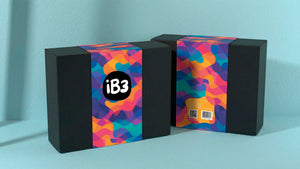

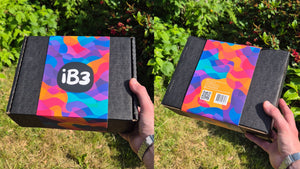
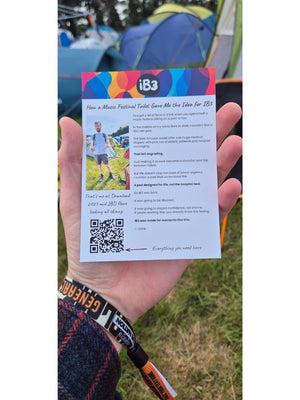
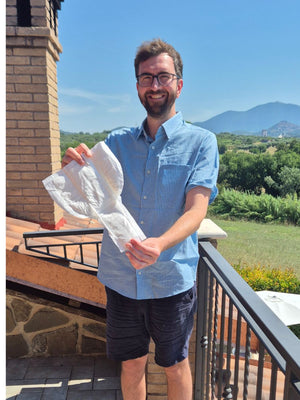
Discreet protection for bowel urgency, small leaks and just-in-case moments.
Looking the Trial pads before you buy (just pay shipping): CLICK HERE


