


Bowel urgency is more than suddenly needing the toilet. It is the planning, panic and loss of confidence that can slowly make your world smaller. As someone with ulcerative colitis, here are the practical strategies I use to keep living—even when my bowel is unpredictable. -->

Living with bowel urgency or bowel leakage does not have to mean missing out on music festivals. From access passes and emergency kits to pads, toilet planning and telling your friends, here are practical tips to help you enjoy the weekend with more confidence.

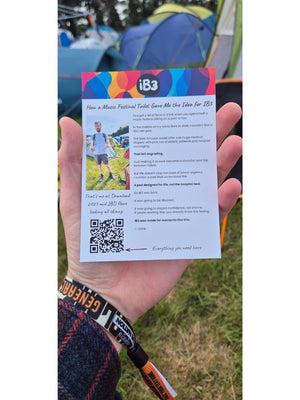
A year ago, IB3 started as an idea during an ulcerative colitis flare at Download Festival. Today, our bowel leakage pads are finally manufactured and ready to help people living with bowel urgency and mild incontinence regain confidence.

Chris shares his journey with IBD, from early diagnosis to severe flares and bowel incontinence, and how those experiences led him to create IB3 to reduce stigma and support others facing mild to moderate symptoms.

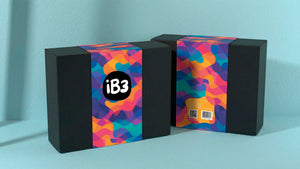
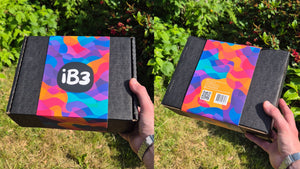
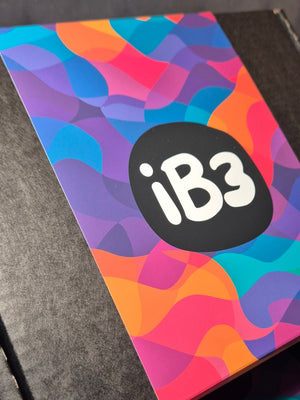
This post shares a behind-the-scenes look at how IB3 packaging is being designed. It explains the thinking behind the designs and invites the community to vote for their favourite as we move towards a final decision.

Bowel incontinence is far more common than most people realise — affecting around 1 in 12 adults, and up to 74% of those with IBD at some point. It’s not just an issue for the elderly; childbirth, inflammation, nerve conditions, and even chronic diarrhea can all contribute. For many, the emotional impact — fear, isolation, anxiety — can be just as tough as the physical symptoms. But there are solutions, from medical treatments to simple lifestyle adjustments. Talking about it is the first step. You’re not alone, and you’re not without options.

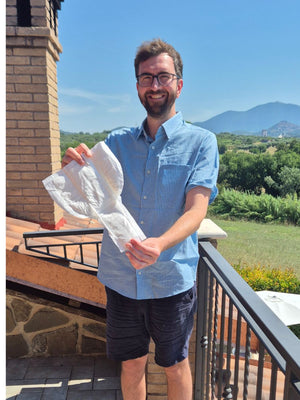
Mild to moderate faecal incontinence exists outside hospital wards, yet products haven’t kept up. IB3 was created to fill the gap with pads designed for real life, not hospital beds or urine leakage.

IB3 was born from a moment of unexpected shame—one glance at a packet of bulky diapers left on my living room floor. That experience made one thing clear: no one should feel embarrassed about the products they rely on. That’s why IB3’s packaging is intentionally discreet, anonymous, and stigma-free.

Living with IBD means navigating a world of unpredictable guts, questionable diets, and hospital gowns that refuse to close properly. From “Satan’s Sprite” colonoscopy prep to watching your insides on a 4K screen, it’s a journey that demands equal parts patience and humour.
“The Ballad of My Rebellious Bowels” is my love-hate poem to life with IBD — the pills, the scopes, the flare-ups, and the brave laughter in between. Because if we don’t laugh about it, well… we’ll probably just cry (and let’s be honest, dehydration is already an issue).

In the middle of my worst IBD flare, I couldn’t find a discreet pad — so I decided to create one. That’s how IB3 was born.

Ultra-processed foods double IBD risk. Study of 116k adults links processed meats, soft drinks, fried foods & additives to higher inflammation.

Research shows poor sleep quality can significantly impact inflammatory bowel disease (IBD). Sleep deprivation raises inflammatory cytokines such as IL-1β, IL-6, TNF-α, and CRP, which drive gut inflammation. One study found IBD patients with poor sleep (PSQI >5) had relapse rates of 47% at 3 months and 67% at 6 months, compared with 0% in patients with healthy sleep. With up to 50% of IBD patients reporting sleep issues during flares, improving sleep—especially slow-wave sleep (SWS)—may be as crucial as diet in achieving remission. Sleep is not just rest; it regulates immunity, gut function, and relapse risk.



Discreet protection for bowel urgency, small leaks and just-in-case moments.
Looking the Trial pads before you buy (just pay shipping): CLICK HERE


